Living with Large Carnivores such as bears and wolves
June 1, 2026
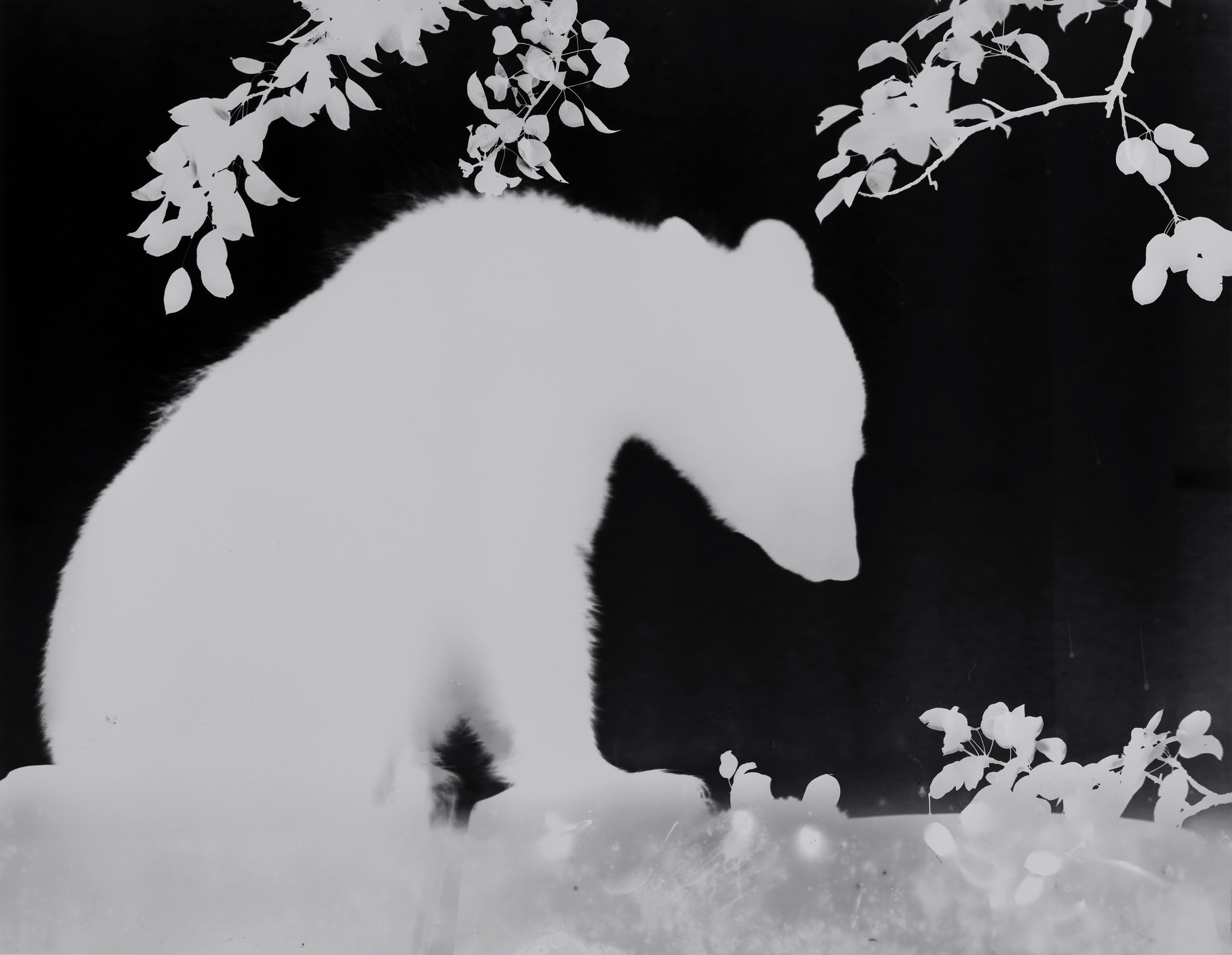
Living with Large Carnivores
Bears and wolves—large-bodied and potentially dangerous—inhabit many of the same landscapes as humans. As natural habitats shrink due to agricultural expansion, deforestation, poaching and climate change, the boundaries between “wild” and “human” spaces blur. Settlements push into once-pristine areas while wild animals, in turn, venture closer to human communities. Encounters are becoming more frequent.
Recreational activities also play a role. Bear viewing, wolf-spotting, and other wildlife tourism bring people directly into carnivore territory, increasing the chances of crossing paths.
When Familiarity Breeds Tolerance
More encounters aren’t necessarily a problem. Repeated, non-threatening contact can lead to habituation—a gradual reduction in an animal’s response to a stimulus. When that stimulus is people, the result is human habituation: animals that tolerate human presence without distress or aggression.
When Encounters Become “Conflicts”
Yet many encounters are framed as conflicts, particularly when they involve property damage or livestock predation. Even normal animal behaviors—a dog barking, wolves howling, a bear’s bluff charge—can trigger fear and defensive reactions in people. The perception of threat defines the conflict, regardless of intent.
Sometimes the animals themselves have learned to associate humans with food. Whether through direct feeding or access to unsecured attractants, they develop food conditioning: an acquired link between people and easy calories. This learned behavior often escalates tensions.
From a human perspective, “conflict” tends to mean anything negative—real or perceived—that results from sharing space with wildlife.
Managing Coexistence
Effective human-carnivore conflict management requires both science and art: analytical methods grounded in biology alongside the intuitive judgment that comes from lived experience. Neither alone is enough. Solutions emerge when rigorous research meets practical, on-the-ground insight.
text Fiona van Schendel, source for this short article was